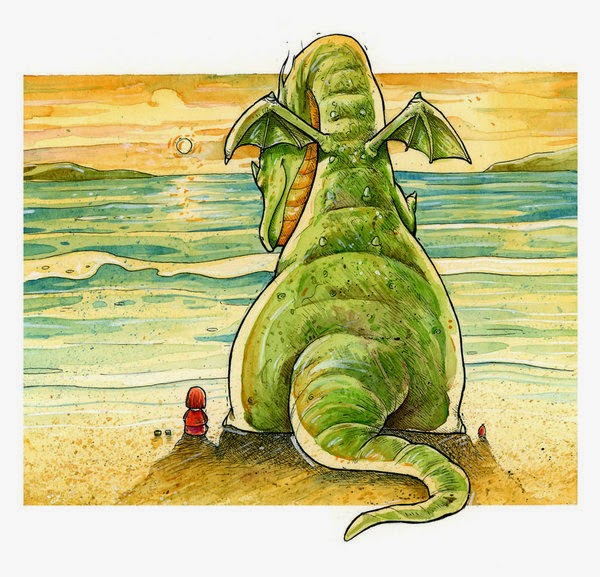
Puff the Magic Dragon is an American folk song that originated from a poem and has become part of the popular culture of many countries. I have sung it many times with my students at school, and it always creates a magical and nostalgic atmosphere. I think its lyrics suggest that today we should talk about loneliness. One
Puff the Magic Dragon is an American folk song that originated from a poem and has become part of the popular culture of many countries. I have sung it many times with my students at school, and it always creates a magical and nostalgic atmosphere.
I think its lyrics suggest that today we should talk about loneliness.
One can be alone or feel alone. It is important to know how to be alone with oneself, to be comfortable with oneself in order to be able to meet others. When one feels a deep inner loneliness (feeling alone), it generates a lack of confidence and security, which are manifestations that are inherent and rooted in the interior of a person suffering from ADHD.
Many times, there are those who seek the company of others with eagerness and anxiety in order to extinguish their deep loneliness and mental worries. But this does not solve the problem.
To resolve this lack of security it is necessary to counteract it with confidence, just as laziness is resolved with diligence, chaos with order, etc.
We all need, especially at the beginning of our lives, to feel the presence and company of others. To walk together. When this environment does not convey support and attention, the person begins to walk alone and feel alone in this world. This generates a lack of confidence and insecurity. It is important to emphasize the role of parents/primary caregivers and the need for them to provide attention and care, to be fully and completely present.