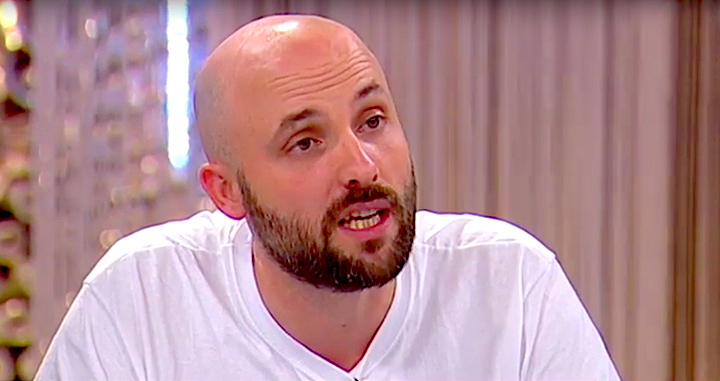
I recommend this video by Doctor of Philosophy Jordi Graupera, in which he explains that we live in times marked by the fear of death. This circumstance leads us to try to hide it by distancing ourselves from illness, old age, and death. The sick are treated in hospitals, the elderly are cared for in nursing homes, and the dead are
I recommend this video by Doctor of Philosophy Jordi Graupera, in which he explains that we live in times marked by the fear of death. This circumstance leads us to try to hide it by distancing ourselves from illness, old age, and death. The sick are treated in hospitals, the elderly are cared for in nursing homes, and the dead are mourned in funeral homes, all far from home.
Contrary to what it may seem, we do not fear death due to an excess of sensitivity but rather a lack of it. Just as with the phenomenon of xenophobia, which means fear of the foreigner, the fear of death arises from ignorance, from not having and not wanting to have any relationship with it: from being desensitized. The massive deaths from COVID generate perplexity and intense fear, as if we were experiencing something unreal, when in fact they are part of the reality of death. The philosopher indicates that when we approach, know, and feel, we lose our fear.
A possible cause of this fear is the fact that the maintenance of one's own biological life has become the primary value; there is nothing that is worth more.
Graupera tells us that this is a new phenomenon, and that throughout history there have always been values that were above one's own life, such as: the lives of others, those of children, certain ideals, God, etc. These values were also related to the belief that life does not belong to us. Life was considered a gift, a boon that we could give, share, but not dispose of as we pleased.
These values not only stood above one's own life but also operated by giving it meaning. Just as one could give life for them, they also filled it with meaning: one lived for them. The maintenance of one's own life as a superior value is almost a metaphysical monster; the fear of losing it, an otherwise unavoidable reality, paralyzes us. And living paralyzed, is it not perhaps a form of dying?